
Anastenaria: Behind the Scenes of an Ancient Fire Walking ritual with photographer Anna Papadopoulou
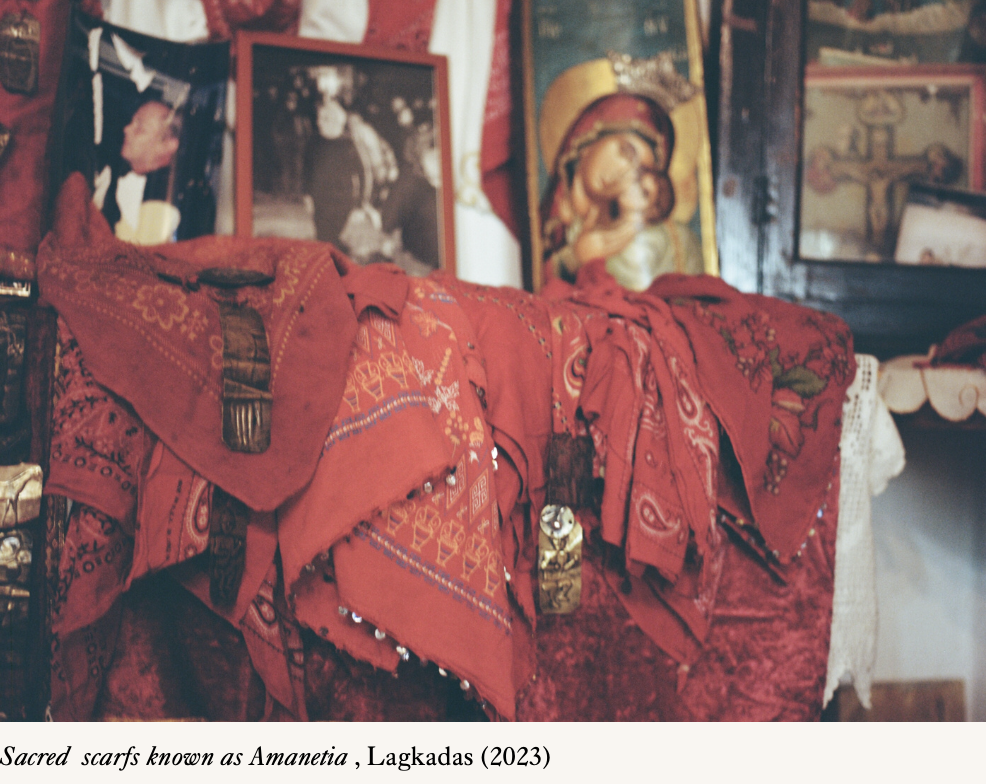
The Greek fire walking ritual of Anastenaria: as seen through the lens of Anna Papadopoulou and her project, HOLY ASH.
Yia Mas is honored to share Anna’s striking, ethereal photo collection “HOLY ASH,” captured during three stays in the village of Lagkadas, near Thessaloniki. I think many of us can relate to her experience of seeing the magic in Greek culture once living AWAY from Greece. For those unfamiliar, Anastenaria is a fire-walking ritual that takes place primarily in honor of Saints Constantine and Helen on their feast day, May 21. The ritual is treated with the utmost respect. This act of faith - literally to walk over burning coals- takes place in private sanctuaries known as Konakia and is characterized by a strong sense of introspection, spirituality, and mysticism
What was your connection to Lagkadas, and how were you embraced by the villagers?
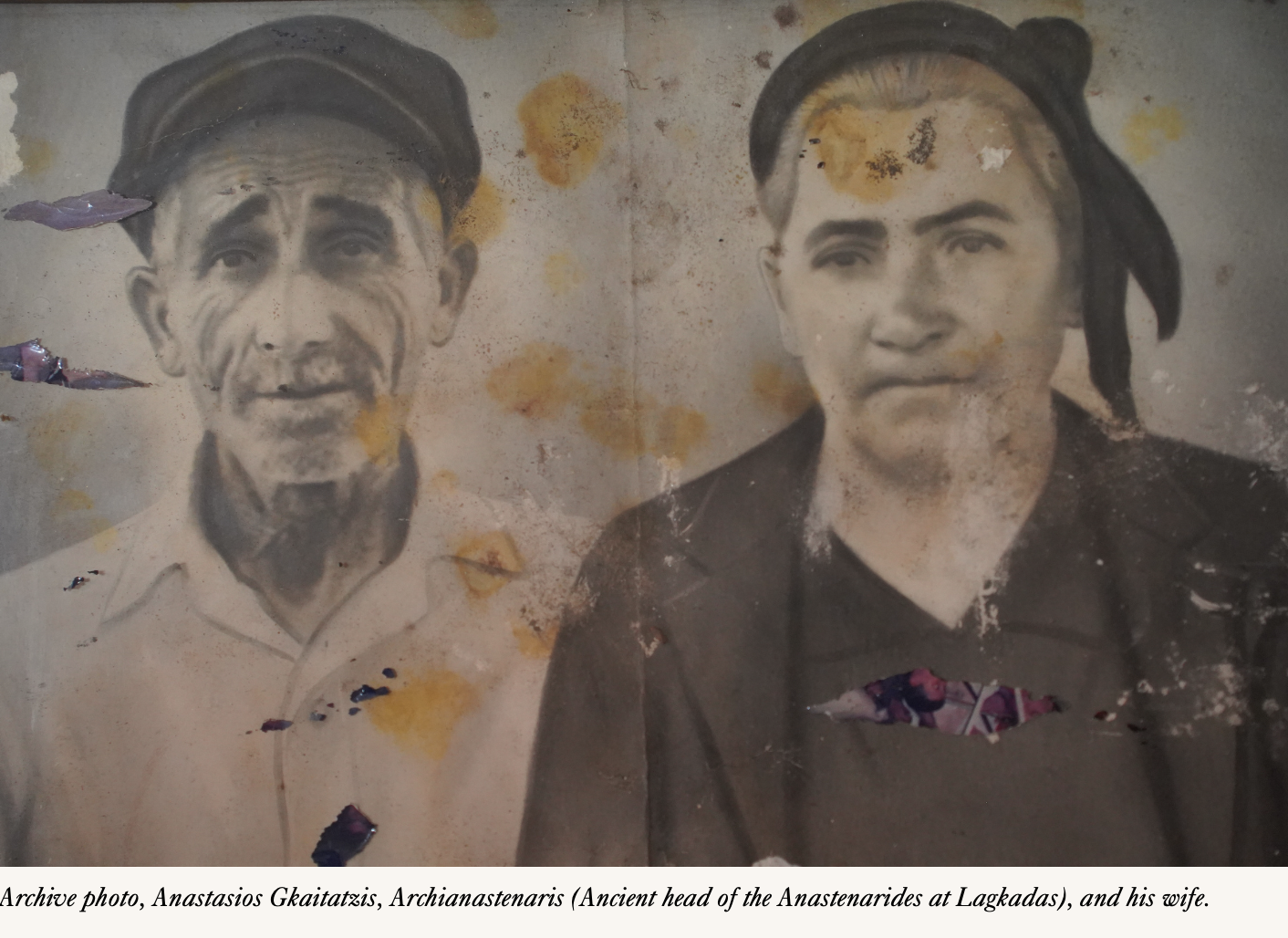
I had no prior connection to the village of Lagkadas - I had actually never visited the northern part of Greece prior to the project. I first heard about Lagkadas while doing my research on the Anastenaria ritual as it is one of the villages where the ritual is practiced. I still cannot tell why I chose to focus on this particular village, I would say it was kind of intuitive. I then began looking for a way to get in touch with the community of the Anastenarides of Lagkadas. I thus found their online Facebook group which included the contact information of the group’s head, known as the Archianastenaris, Mr Sotiris. I spontaneously called him, explaining that I would really like to meet him and the rest of the practitioners in person and create a visual narrative around the ritual. He was very open and generous right from the start. And this is how I decided to travel from Paris - where I was based at the time - to Thessaloniki and from there to the village of Lagkadas. My first visit dates back to May 2022 where I stayed for three days to document the celebration of the ritual.
When I arrived at the village I really did not know what to expect. Mr Sotiris greeted me with a lot of warmth as did the rest of the villagers. Their warm welcome I think had to with the fact that I went there with genuine curiosity and also did not lift my camera immediately. I firstly sat with them, listened to their stories, and got to know them while they also got to know me. I was also surprised by the fact that among them I met people who lived in Athens or Thessaloniki and had no prior ties to Lagkadas whatsoever. At the end of the ritual I remember that I joined them during their feast and that we all ate and drank together, it felt very cozy and warm.
What inspired you to create 'Holy Ash' and explore this custom?
The idea came to me while living abroad, specifically in Paris. It was a time when I felt deeply nostalgic and was reassessing my ties to my home country. I came to realize that although I had grown up in Greece, I had not explored the rich customs and traditions of my own country. I thus began researching the various rituals that are still persist in the rural parts of the country and was fascinated by the long history and spiritual dimension of them all. I remember having made a big list of all the rituals that had captured my attention... Thanks to my photographic practice, the lens of course felt like the most natural way to access this rich universe, discover it, interpret it and, most importantly share it with the outside world.
I chose to explore the Anastenaria custom in particular because I was fascinated by the fire walking part and by the fact that its roots date back to antiquity and more specifically to Dionysiac rituals.
Of course, while witnessing the ritual on the ground I realised that there is so much more to it apart from the fire-walking part. I was struck by the dances and traditional music involved, its deeply spiritual and esoteric dimension, the various symbols it incorporates, and the deep sense of community binding together the Anastenarides. Another element that deeply fascinated me was the fact that the ritual is a mosaic of contradictions, combining tradition with modernity, structured and carefully calculated movements with improvisation, introspection with collective dynamic. After all, the very act of fire walking in itself incarnates a paradox ; as many of the practitioners attested, when fire walking you feel both pain and relief. I remember that as the Anastenarides were stepping into the burning ashes, a rich canvas of emotions was drawn on their faces from pain and melancholy to joy and relief. It felt deeply cathartic and this last element was something that really appealed to me.
Can you share more about the elements of the custom that you captured? What inspired your choices?
During my first visits at Lagkadas, my initial intention was to document the ritual and the different elements it is composed of. This took on different forms from capturing the details and atmosphere of the space where it is practiced - the Konaki - to documenting the different parts of the ritual, the dancing, the music, and the fire walking. I also consciously chose to focus on the expressions and movements of the practitioners themselves in an effort to reveal the esoteric and personal dimension of the ritual. For these instances, I was consciously using an analog camera because I felt that it added a nostalgic aesthetic linked to the long history behind the practice and a more intimate touch.
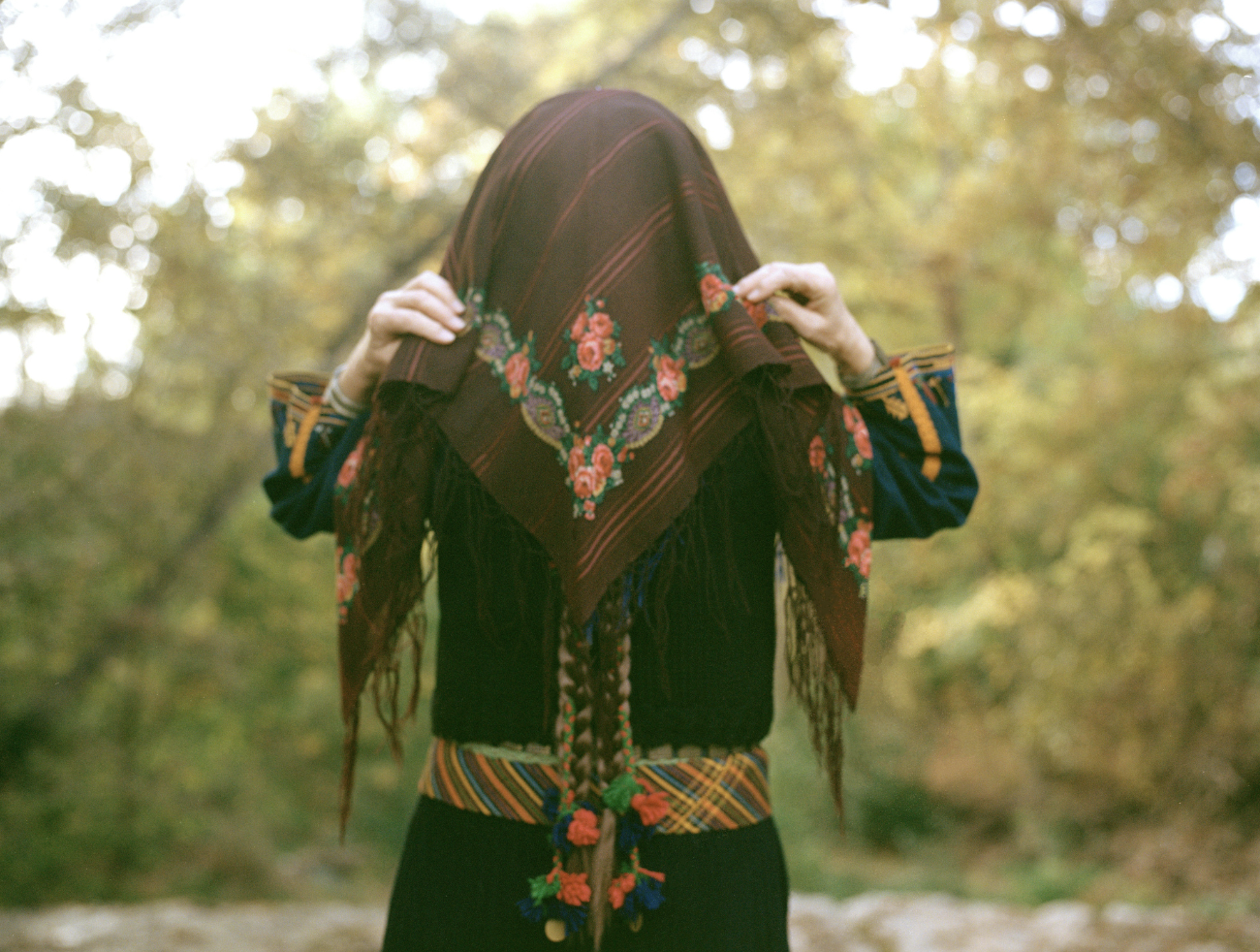
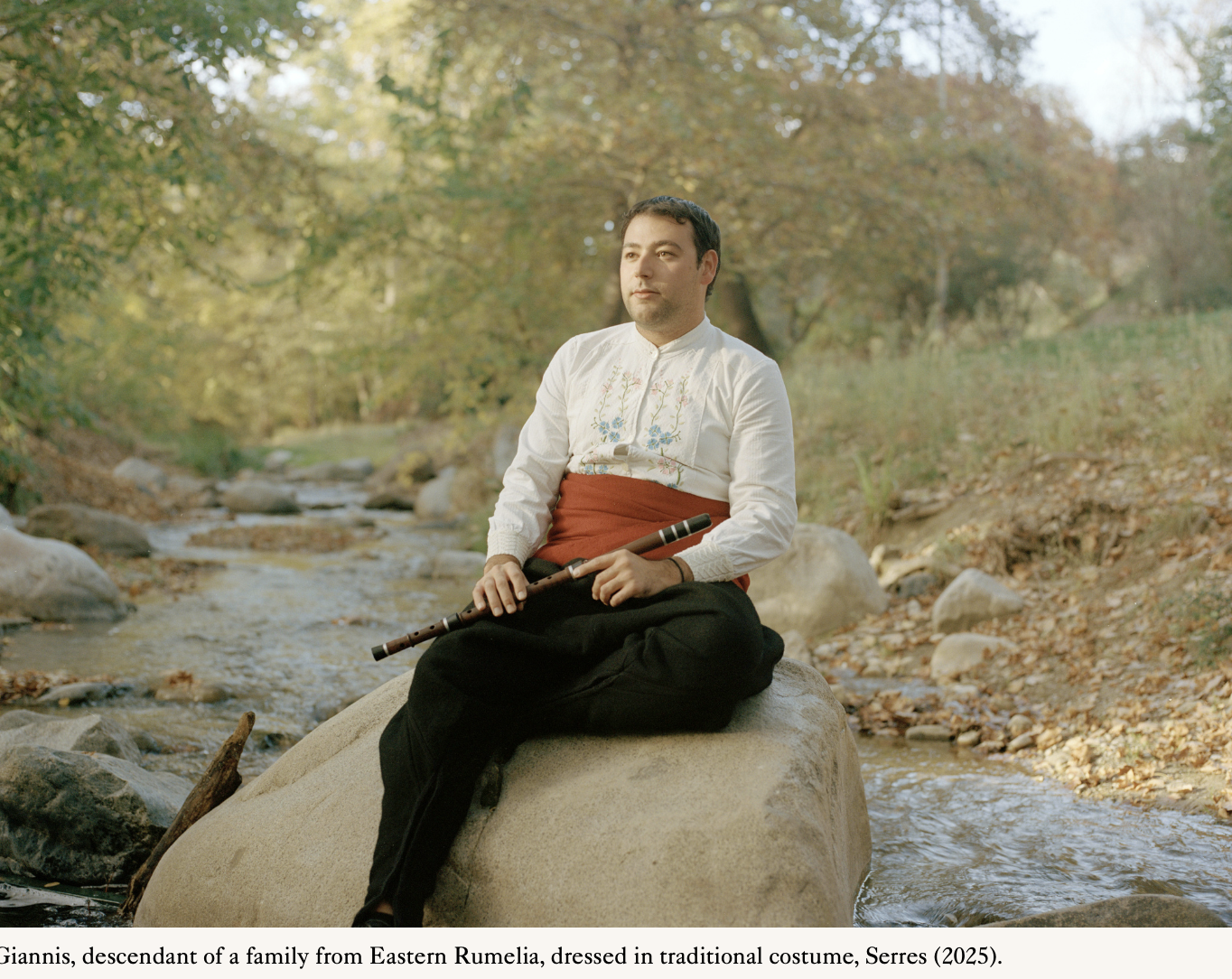
As my project evolved, I felt that I had to move away from simply documenting the ritual and visually explore its origins, as well as its links to the wider geography and history of Northern Greece. As such, during my latest visit at Lagkadas I focused first and foremost on nature ; in the first place, because it is an element that is intrinsic in the ritual itself - water and fire play a crucial role in it - and secondly because nature is a factor that is said to have historically contributed to the survival of practices commonly described as “pagan” within the Greek territory. An additional dimension I wanted to explore is the traditional customs worn by the locals especially the ones originating from Eastern Rumelia. I believe that they are a subtle way to evoke the history behind the migration waves from this region towards Northern Greece - let us not forget that the Anastenaria actually formed part of the various cultural practices that were imported in the Greek territory by the refugees that resettled in the Northern part of the country in the 20th century.
How secretive are the locals about this rite?
There have been various misconceptions around the Anastenaria that are often regarded as mystical and secretive. Many people view it as a mystery. These common misinterpretations are actually one of the reasons why they have been often criticised by the church.
I would say that the right term is not secrecy but intimacy. After all, the Anastenaria is above all a deeply personal and esoteric experience.
From my personal experience in Lagkadas, I would say that practitioners are quite open in sharing the various elements constituting the practice and their very own individual experiences.
The level of openness and sharing also depends on the village, as some places are said to be more closed while others, as in the case of Lagkadas, are more accessible. It is also about building trust and ties with the villagers so that they can open up on a more personal level. The way in which they are approached and in which questions are asked plays an important role. I remember that during my first visit I asked a practitioner somehow directly a question about the flow of the ritual and he responded me that instead of asking questions I should just observe carefully. And he was quite right…
Having personally experienced it multiple times, how do you feel this ancient ritual translates to modern life?
I believe the Anastenaria are highly relevant to modern life. At the core of the ritual lies willpower and the ability to master and surpass one's self, a challenge that remains highly relevant in contemporary life. Faith— not confined to religious belief—appears to provide participants with the strength to endure and transcend the pain associated with fire-walking. Moreover, the ritual can be seen as a process of transforming a painful experience into one that is healing, positive, and cathartic. This perspective, in itself, holds a universal quality, applicable to many aspects of modern life.